


Table of Contents
1. Introduction to U-Values
2. The Science Behind U-Values
3. Importance of Thermal Efficiency in Homes
4. The Role of Glazing in Energy Efficiency
5. What is Triple Glazing?
6. How Triple Glazing Improves U-Values
7. Comparing Double and Triple Glazing
8. Real-World Applications and Case Studies
9. Choosing the Right Windows: Wolfline Aluminium Windows
10. Future Trends in Window Technology
1. Introduction to U-Values
In the realm of energy efficiency, particularly within the context of UK homes, understanding U-values is essential for homeowners looking to enhance comfort and reduce energy costs. U-values measure the rate of heat transfer through building elements, including walls, roofs, and windows. A lower U-value indicates better insulating properties, which translates to improved thermal efficiency.
2. The Science Behind U-Values
U-values are calculated by taking into account the amount of heat that passes through a material over a specified period and area. The unit of measurement is Watts per square meter Kelvin (W/m²K).
- Material Composition: Different materials have varying abilities to conduct heat.
- Thickness: Thicker materials generally improve insulation properties.
- Air Gaps: Air pockets can significantly enhance insulation if correctly placed.
Understanding these factors allows homeowners to make informed decisions when selecting materials for their homes.
3. Importance of Thermal Efficiency in Homes
Thermal efficiency is crucial for several reasons:
- Energy Costs: Homes with high thermal efficiency consume less energy for heating and cooling, leading to reduced utility bills.
- Comfort: A well-insulated home maintains a stable temperature throughout different seasons, enhancing comfort.
- Environmental Impact: Improved thermal efficiency contributes to lower carbon emissions, supporting sustainability efforts.
In the UK, where winters can be particularly harsh, investing in thermal efficiency is not just an option but a necessity for many homeowners.
4. The Role of Glazing in Energy Efficiency
The type of glazing used in windows plays a significant role in a home’s overall energy efficiency.
- Single Glazing: Offers minimal insulation, leading to significant heat loss.
- Double Glazing: Consists of two panes with an air gap in between, improving insulation compared to single glazing.
- Triple Glazing: Utilizes three panes of glass, further reducing heat transfer.
The choice of glazing can drastically impact a home’s U-value and thermal performance.
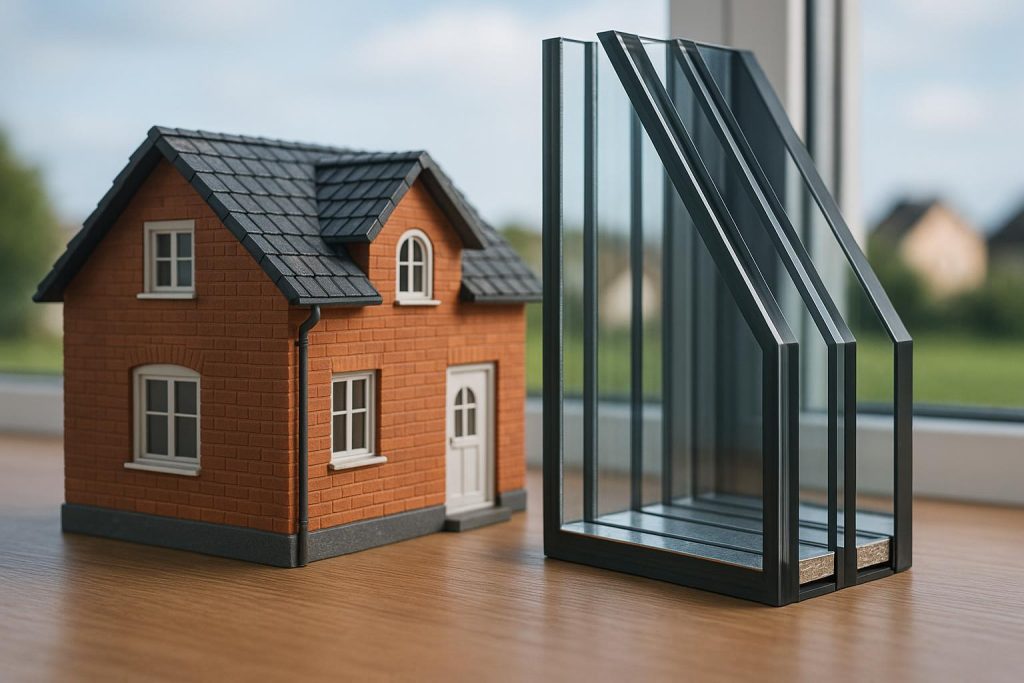
5. What is Triple Glazing?
Triple glazing involves three panes of glass separated by insulating gas-filled spaces that minimize heat transfer through conduction and convection.
- Enhanced Insulation: Each layer offers additional resistance to heat loss.
- Sound Proofing: Triple glazing also provides superior sound insulation.
- Reduced Condensation: The inner surface remains warmer, which decreases condensation risks.
Given these advantages, triple glazing has emerged as a favorite choice for homeowners looking for maximum thermal efficiency.
6. How Triple Glazing Improves U-Values
Triple glazing typically achieves a U-value as low as 0.6 W/m²K or even lower with advanced techniques such as low-emissivity coatings and gas filling.
- Low-Emissivity Coatings: These coatings reflect heat back into the room while allowing light to pass through.
- Argon or Krypton Gas Filling: These gases have lower thermal conductivity than air, further improving insulation.
- Improved Frame Technology: Modern frames from manufacturers like Wolfline Aluminium Windows are designed to optimize the performance of triple-glazed units.
By utilizing these technologies, homeowners can achieve significant reductions in their heating requirements.
7. Comparing Double and Triple Glazing
When considering energy efficiency, comparing double and triple glazing reveals substantial differences:
- U-Value Comparison:
- Double glazing typically has U-values around 1.2 W/m²K.
- Triple glazing often achieves values below 0.7 W/m²K.
- Energy Savings:
- Homes with triple glazing may save an additional 20-30% on heating costs compared to those with double glazing.
- Initial Investment vs Long-Term Benefits:
- While triple glazing may require a higher initial outlay, the long-term savings on energy bills and increased comfort justify this expense for many homeowners.
This comparison underscores why triple glazing is becoming increasingly popular among those seeking truly thermal-efficient homes.
8. Real-World Applications and Case Studies
Many homeowners across the UK have successfully transitioned to triple glazing with remarkable results:
- Case Study One: A family in Manchester replaced their old double-glazed windows with triple-glazed units from Wolfline Aluminium Windows and reported a reduction in their heating bill by nearly 25%.
- Case Study Two: A renovation project in London incorporated triple glazing along with other energy-efficient upgrades; the homeowner experienced increased comfort levels during winter months and decreased reliance on heating systems.
These examples illustrate not only the cost benefits but also the enhanced living conditions that come with upgraded window technology.
9. Choosing the Right Windows: Wolfline Aluminium Windows
When selecting windows for your home, it is essential to consider both style and performance features that enhance thermal efficiency:
- Quality Materials: Wolfline Aluminium Windows use high-quality materials designed for durability and performance.
- Custom Solutions: They offer tailored solutions that meet individual aesthetic preferences without compromising energy efficiency.
- Expert Installation: Proper installation is critical; thus, opting for reputable brands ensures windows are installed correctly for optimal performance.
Investing in quality windows can provide long-lasting benefits while enhancing your home’s aesthetic appeal.
10. Future Trends in Window Technology
As technology advances, we can expect several trends influencing window solutions:
- Smart Glass Technologies: These innovative products allow users to control transparency and heat retention.
- Sustainability Focus: More companies are prioritizing environmentally friendly materials and production methods.
- Integration with Smart Home Systems: Future windows will likely feature smart technologies that integrate with broader home automation systems for enhanced energy management.
Staying informed about these trends will allow homeowners to make proactive choices regarding their properties’ thermal efficiency and overall value.
The journey toward creating a truly thermal-efficient home begins with understanding critical concepts like U-values and making informed choices regarding window technologies such as triple glazing from trusted brands like Wolfline Aluminium Windows. By doing so, homeowners can look forward to enhanced comfort, reduced energy bills, and a more sustainable future for their households.