


Steven Bankert is a longtime business owner and experienced secret shopper based in North Attleboro, Massachusetts, with a career spanning more than four decades across industries such as laundromats, entertainment centers, and retail quality control. Since 2000, he has operated a secret shopper business, evaluating customer service and operational standards for a wide range of establishments, including restaurants, casinos, and retail stores. His work requires careful observation, objective analysis, and the ability to distinguish accurate information from misleading impressions. These same skills are directly relevant to navigating today’s digital environment, where evaluating the reliability of online content is increasingly important. Drawing on decades of professional assessment experience, his background offers a practical lens for understanding how individuals can better separate fact from fiction on the internet.
Fact vs. Fiction – How to Evaluate What You Read on the Internet
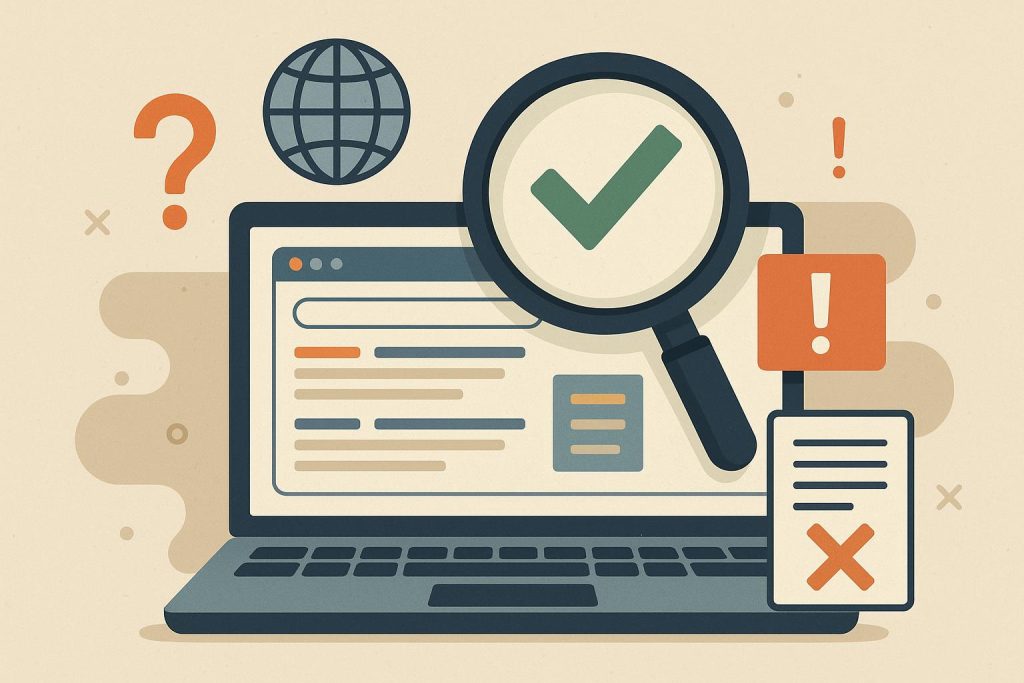
The internet is a vast repository of information, but not everything online is accurate or trustworthy. In an era where content can be published by anyone with a keyboard, distinguishing between reliable information and misleading material has become increasingly important. Digital literacy, the ability to critically assess online content, is essential for navigating this landscape safely. Understanding how to evaluate sources, recognize biases, and verify facts can help people to prevent the spread of misinformation and make better-informed decisions.
One of the first steps in evaluating online content is to consider the source. Credible sources include recognized news organizations, academic institutions, government agencies, and established nonprofit organizations. These sources typically follow editorial standards, fact-checking protocols, and accountability practices.
Conversely, personal blogs, social media posts, and forums may offer useful insights or opinions, but they should not be treated as authoritative evidence without further verification. Checking the “About” section, author credentials, and organizational background can provide context for evaluating reliability.
Fact-checking is another key practice. Multiple reputable fact-checking organizations, such as Snopes, FactCheck.org, and PolitiFact, regularly review claims circulating online. Searching for the same information across multiple independent sources can also reveal inconsistencies or exaggerations. If a claim appears in only one place or relies heavily on emotional language, it is more likely to be misleading.
Digital users should also be aware of deepfakes, manipulated videos, and doctored images, which are becoming increasingly sophisticated and can deceive even experienced viewers. Developing a habit of cross-checking multimedia content against trusted sources can help to prevent falling for these manipulations. Images, videos, and statistics can be manipulated, so using reverse image searches or consulting original reports can help determine authenticity.
Understanding bias is equally important. Every source, even reputable ones, can reflect particular perspectives or priorities. Recognizing potential bias does not automatically disqualify information, but it does highlight the need to seek multiple viewpoints and consider context. For example, political reporting, product reviews, and health advice can all be influenced by financial interests or ideological positions. Critical thinking and awareness of these influences allow readers to form a more balanced understanding of an issue.
It is also useful to consider the date of publication. Information can become outdated quickly, especially in areas like science, medicine, and technology. A study or statistic from several years ago may no longer reflect current understanding. Cross-referencing with the most recent data or updates helps to ensure that conclusions are based on relevant and timely information.
Developing digital literacy skills entails approaching online content with curiosity and caution. Question headlines that are sensational, verify claims before sharing them, and be mindful of confirmation bias, or the tendency to favor information that aligns with personal beliefs. Using browser extensions, credibility checklists, and trusted aggregator tools can also help users systematically evaluate the reliability of websites and news articles. Encouraging these habits across schools, workplaces, and communities can strengthen public awareness and reduce the influence of misinformation.
At its best, the internet offers unprecedented access to knowledge, but it requires careful navigation. By assessing sources, verifying facts, recognizing bias, and staying up to date, users can separate credible information from unreliable content. These skills empower individuals to engage thoughtfully with digital media, make informed decisions, and contribute to a more accurate and responsible online environment.
About Steven Bankert
Steven Bankert is a North Attleboro, Massachusetts based business owner and secret shopper with over 25 years of experience in quality control evaluations. Since 2000, he has assessed customer service across industries such as restaurants, retail, and entertainment venues. He has also owned and operated laundromats, an ice cream business, and a family entertainment center. In addition, he has served in community roles, including president of the Plainville Lions Club and member of the local finance committee.