In Singapore, a blocked nose is almost part of daily life. Humidity, air conditioning, and dust mites all play a role, so many people assume it’s just allergies or ‘sinus’. For some, that’s true. But in others, the cause lies deeper.
When nasal obstruction persists despite medication, the cause is often structural. Conditions such as a deviated septum or nasal valve collapse can quietly affect breathing, sleep, and overall quality of life. Understanding these differences is essential before considering treatment, including septoplasty or other forms of functional nasal surgery in Singapore.
When a Deviated Septum Becomes a Problem
Inside the nose is a thin wall of cartilage and bone called the septum, which separates the two nostrils. In reality, very few septums are perfectly straight. Mild deviation is common and often harmless. Problems arise when the deviation is significant enough to obstruct airflow.
Patients rarely describe it as a “deviated septum.” Instead, they talk about a nose that always feels blocked on one side, or a constant need to breathe through the mouth, especially at night. Over time, one side often feels persistently blocked, even with medication.
In Singapore’s climate, this distinction becomes blurred. High humidity encourages allergens such as dust mites and mould, while air conditioning dries the nasal lining. Together, they create symptoms that closely resemble sinusitis. It is not uncommon for patients to be treated repeatedly for “sinus” issues when the underlying cause is actually structural.
A deviated septum can present in subtle but persistent ways. These include ongoing nasal blockage, difficulty breathing during exercise, frequent sinus infections, and disturbed sleep. Snoring is another common complaint, particularly when airflow becomes turbulent due to narrowed nasal passages. Some individuals even experience fatigue during the day, not realising their breathing at night is compromised.
How Nasal Blockage Affects Sleep
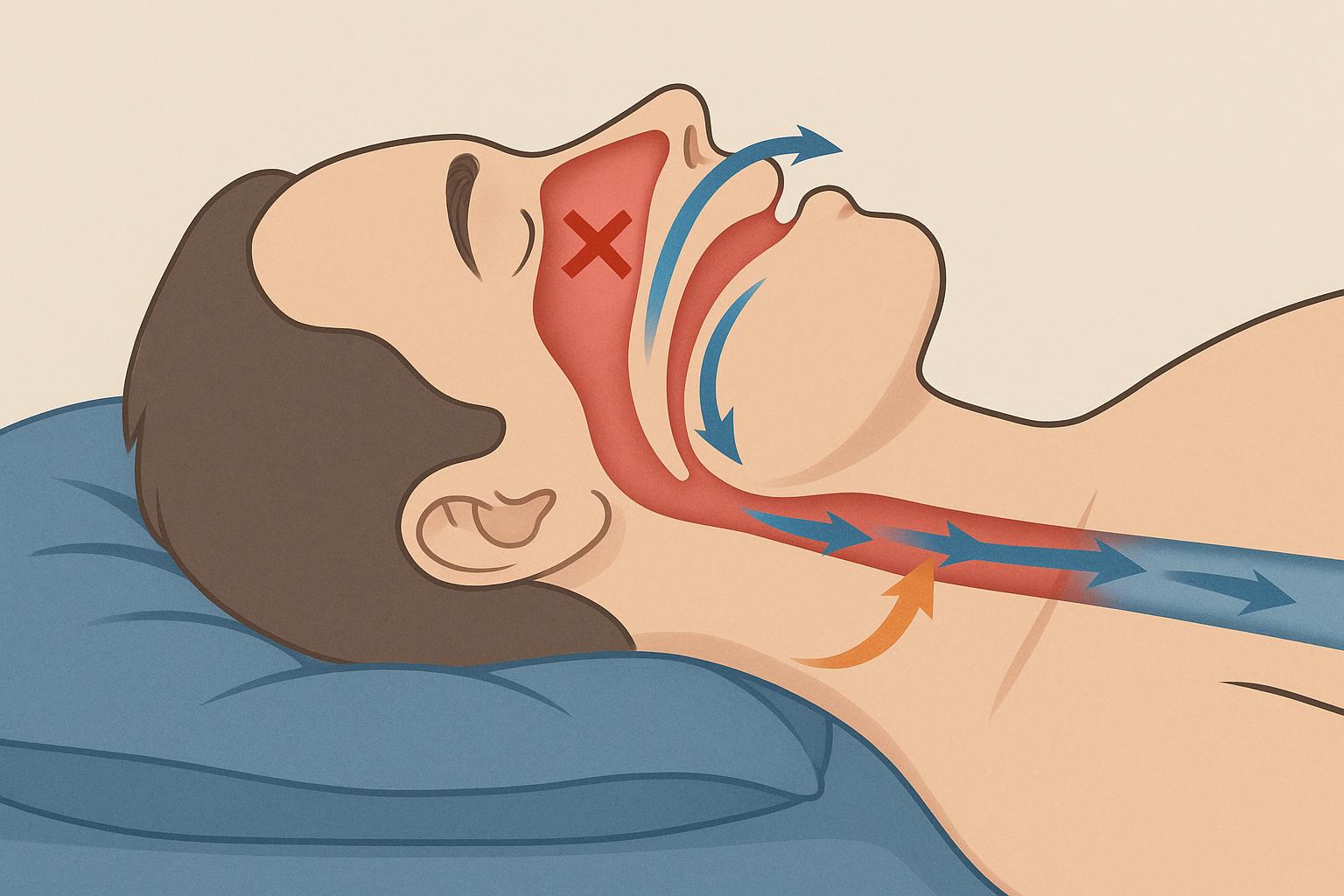
The nose plays an important role in airflow during sleep. When it is blocked, the body shifts to mouth breathing, which can lead to poor sleep, dry throat, and less efficient oxygen intake.
In more severe cases, this may contribute to snoring or obstructive sleep apnea. Many patients wake feeling unrefreshed despite adequate rest, affecting energy and focus.
This is often when people consult an ENT specialist Singapore, particularly when medications no longer help.
Septum vs Nasal Valve: A Common Confusion
In fact, not all nasal blockage is due to a deviated septum. Nasal valve collapse is another important and often missed cause. The nasal valve is the narrowest part of the nasal airway and plays a major role in regulating airflow resistance.
There are two parts to understand. The internal nasal valve, located deeper inside the nose, is formed by the angle between the septum and upper lateral cartilage and is responsible for most airflow resistance. Even small narrowing here can significantly affect breathing. The external nasal valve, closer to the nostrils, is supported by softer cartilage and is more likely to visibly collapse during deep inhalation.
When these structures weaken or narrow, the airway can partially collapse during breathing. Patients often describe a feeling that the nose “closes up,” especially during exercise or at night.
One simple clue is the Cottle maneuver, gently pulling the cheek outward while inhaling. If breathing improves, it may suggest nasal valve collapse rather than a septal issue, and this can be discussed with an otolaryngologist for proper evaluation.
Breathing vs Appearance in Nasal Surgery
Many patients worry nasal surgery is purely cosmetic, but there’s a clear difference.
Functional nasal surgery restores breathing and includes procedures like septoplasty and nasal valve repair. These are medically necessary and often covered by insurance or Medisave in Singapore.
Cosmetic rhinoplasty focuses on appearance. While both can be combined, treatment for nasal obstruction prioritises function over aesthetics.
Septoplasty: What the Procedure Involves
Septoplasty is a common nasal surgery in Singapore that straightens the deviated septum to improve airflow. It is performed through the nostrils with no visible scars, where the ENT specialist reshapes or removes deviated cartilage and bone. The procedure typically takes about 1 to 1.5 hours, and patients usually go home the same day.
Recovery After Septoplasty
Recovery after septoplasty is generally well tolerated, though it requires some patience.
In the first few days, the nose may feel more congested than before. This is due to swelling and, in some cases, the presence of internal splints. Mild bleeding or discharge is not unusual during this period.
Within the first week, most patients begin to feel more comfortable. Many are able to return to work within five to seven days, although strenuous activity should still be avoided.
Over the following weeks, swelling gradually subsides and breathing improves. By the four to six week mark, the majority of patients notice a significant difference in airflow. Full healing continues subtly beyond this point, but the functional benefits are usually evident early on.
For those undergoing septoplasty Singapore procedures, the improvement is often described as a long-awaited sense of clear breathing, something they may not have experienced in years.
How Patients Are Usually Assessed
In the local healthcare setting, patients typically begin with a visit to a General Practitioner. When symptoms persist despite standard treatment, a referral to an ENT specialist is made.
At this stage, evaluation may include nasal endoscopy or imaging studies. These allow assessment of both structural and functional airway factors. The goal is not simply to confirm a diagnosis, but to identify the exact cause of obstruction, whether it is septal deviation, nasal valve collapse, or a combination of factors.
This step is especially important in Singapore, where environmental triggers can make diagnosis less straightforward than expected.
When Medication Isn’t Enough
Many patients try multiple rounds of treatment before considering surgery. Nasal sprays, antihistamines, and saline rinses can be effective, especially when allergies are involved. However, they do not address structural problems.
When symptoms persist despite consistent medical therapy, it is often a sign that the underlying issue requires a different approach. Functional nasal surgery becomes a consideration not as a last resort, but as a targeted solution.
A Noticeable Change in Everyday Life
Patients who undergo nasal surgery Singapore for functional reasons often describe improvements that extend beyond breathing alone. Sleep becomes more restful. Exercise feels easier. Even simple activities like walking outdoors or sitting in an air-conditioned room become more comfortable.
These changes may seem small individually, but together they contribute to a meaningful improvement in quality of life.
Frequently Asked Questions
Is septoplasty a painful procedure?
Most patients report mild discomfort rather than significant pain. This is usually manageable with standard medication.
Will there be any visible scars?
The procedure is performed internally, so there are no external scars.
How do I know if I need to see an ENT specialist?
If nasal blockage persists despite medication, especially if it affects sleep or daily activities, it is worth seeking an evaluation from an ENT specialist Singapore.
Can septoplasty help with snoring?
It can improve snoring if nasal obstruction is a contributing factor, although other causes may also need to be addressed.
Is the surgery covered in Singapore?
Functional procedures such as septoplasty are often covered under insurance or Medisave, depending on individual policies.
How long does recovery take?
Most people return to normal routines within a week, with full recovery over several weeks.
Conclusion
In a place like Singapore, it is easy to attribute a blocked nose to the environment. While climate and allergens do play a role, they are not always the full story. Structural issues such as a deviated septum or nasal valve collapse are common, and importantly, they are treatable.
Recognising when symptoms go beyond allergies is the first step. From there, a proper assessment by a doctor can clarify the diagnosis and guide appropriate treatment.
For many patients, the real difference is simply being able to breathe normally again.