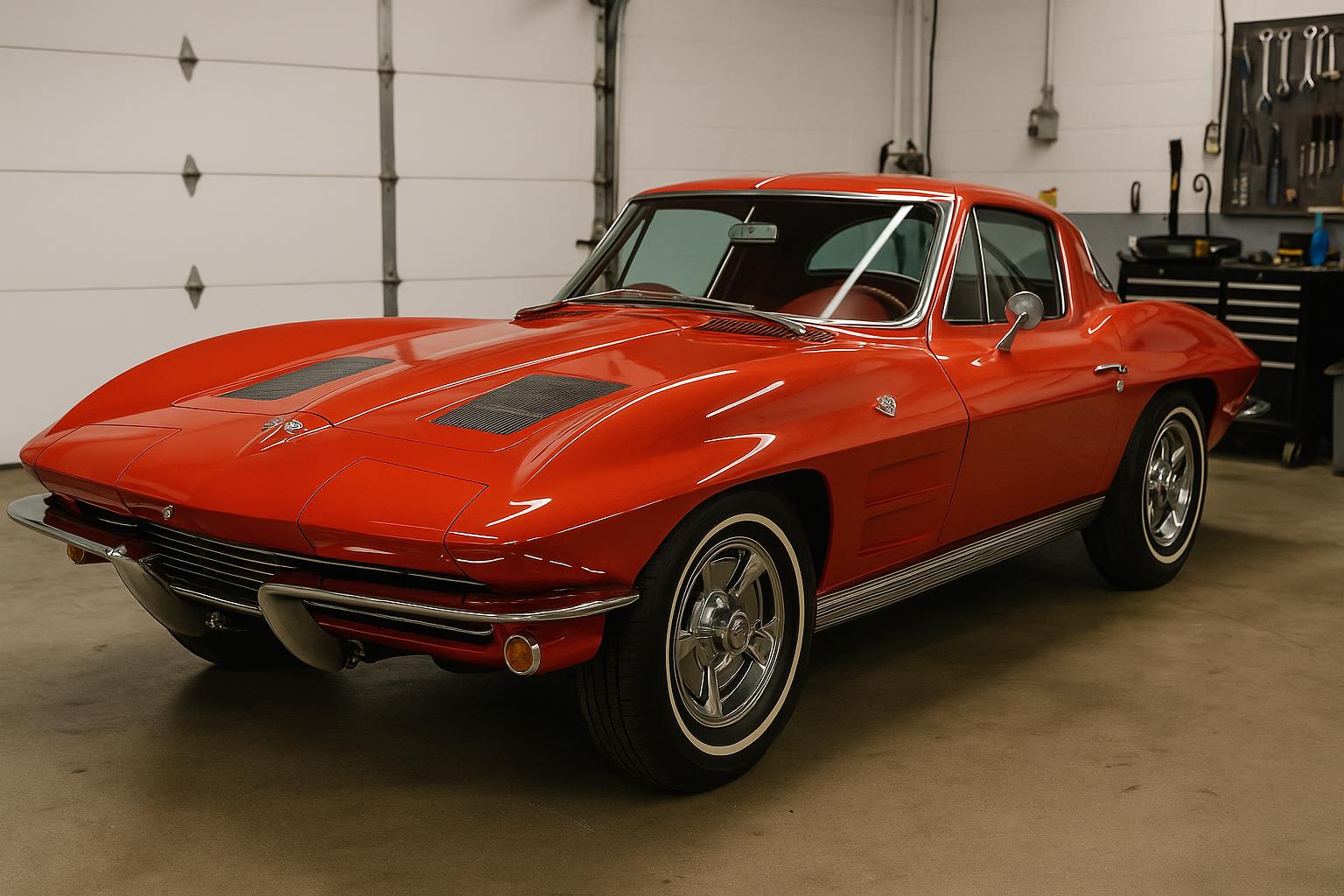
Ralph Byer is a Plantation, Florida based wealth management advisor and financial executive with more than four decades of experience in financial leadership and long-term planning strategies. As leader of the Byer Wealth Management Group, Ralph Byer works with families and businesses on wealth preservation, risk management, and legacy planning through customized financial platforms. Alongside his professional background in finance, he has a longstanding interest in automobile restoration, carpentry, and collector vehicles. He earned a psychology degree from the State University of New York at Stony Brook and later completed graduate studies in gerontology and social and behavioral science at the University of South Florida. His interest in classic automobiles and restoration work connects naturally to discussions about evaluating collectible vehicles such as the iconic 1963 Split Window Corvette before purchase.
Key Things to Check Before Buying a 1963 Split Window Corvette
Buying a 1963 Split Window Corvette means evaluating more than styling or considering rarity. Many cars appear through polished online galleries, older restoration claims, and strong asking prices that can make a car seem more certain than the evidence supports. The real task is to decide whether the specific car carries the right identity, shows sound body and mechanical condition, matches the seller’s description, and justifies its price. The 1963 split-window is the Corvette coupe with the divided rear window, a feature unique to the first-year coupes.
That added attention matters because a collectible car can carry decades of repairs, replacement parts, repainting, and missing history. Two cars that look similar in photos can lead to very different ownership experiences once body condition, mechanical needs, and documentation come into view. A buyer has to evaluate the actual example, not the model’s reputation.
A practical starting point is to compare the seller’s description with what the car shows and what the identification details support. The VIN, trim-tag information, stated equipment, and visible features should point in the same direction. When those details conflict, the listing may describe the car more confidently than the evidence allows.
That comparison works best when originality and restoration status stay separate. A split-window can still make sense as a purchase with restored or replacement components, as long as the work was documented clearly. The key question is whether the seller identifies the car accurately as original, restored, or a mix of both.
Body condition deserves close attention before fresh paint takes over the evaluation. Uneven panel gaps, bubbles or lifting in the paint, rough edges, surface ripples, or patchwork around seams can point to past damage or poor repair work. Underside photos matter too, because rust, leaks, and repair quality often show up there first.
The interior and trim answer a different question. Seats, gauges, dash pieces, badging, and metal trim should make sense together and fit the car’s stated equipment. A few incorrect pieces do not automatically end the deal, but they can suggest uneven restoration work or a car that needs closer review.
After the visible check, the buyer needs paperwork that answers specific questions. Maintenance records, repair receipts, title documents, and photos of past work can show who serviced the car, what parts were replaced, and how extensive the work was. When major receipts are missing, the buyer loses an important way to test claims about careful upkeep or major restoration work.
Price should follow the actual car, not just the split-window name or its reputation in the collector market. A desirable example can still command too much money when the body needs correction, the trim details do not line up, or documentation leaves major gaps. Weigh the asking price against what the buyer can confirm and the work the car may still need after the sale.
The seller’s behavior can also make the evaluation easier or harder. Complete photo sets, underside views, legible identification tags, and clear answers about records and equipment usually help a buyer assess the car more confidently. Selective photos or vague replies do not prove dishonesty, but they do suggest that important details may still be missing.
A well-bought split-window is easier to live with after the sale. The owner has a firmer basis for planning repairs, ordering the right parts, explaining the car’s history, and deciding what to preserve or change over time. That clarity matters because the purchase does not end with the transaction. It shapes later decisions.
About Ralph Byer
Ralph Byer is a Plantation, Florida based wealth management advisor and managing director with decades of experience in financial planning and investment strategy. He leads the Byer Wealth Management Group, supporting clients with wealth preservation, retirement planning, and legacy strategies. Beyond his financial career, he has a strong interest in automobile restoration, fitness, and philanthropy, particularly cancer research support. He studied psychology at the State University of New York at Stony Brook and earned a graduate degree from the University of South Florida.