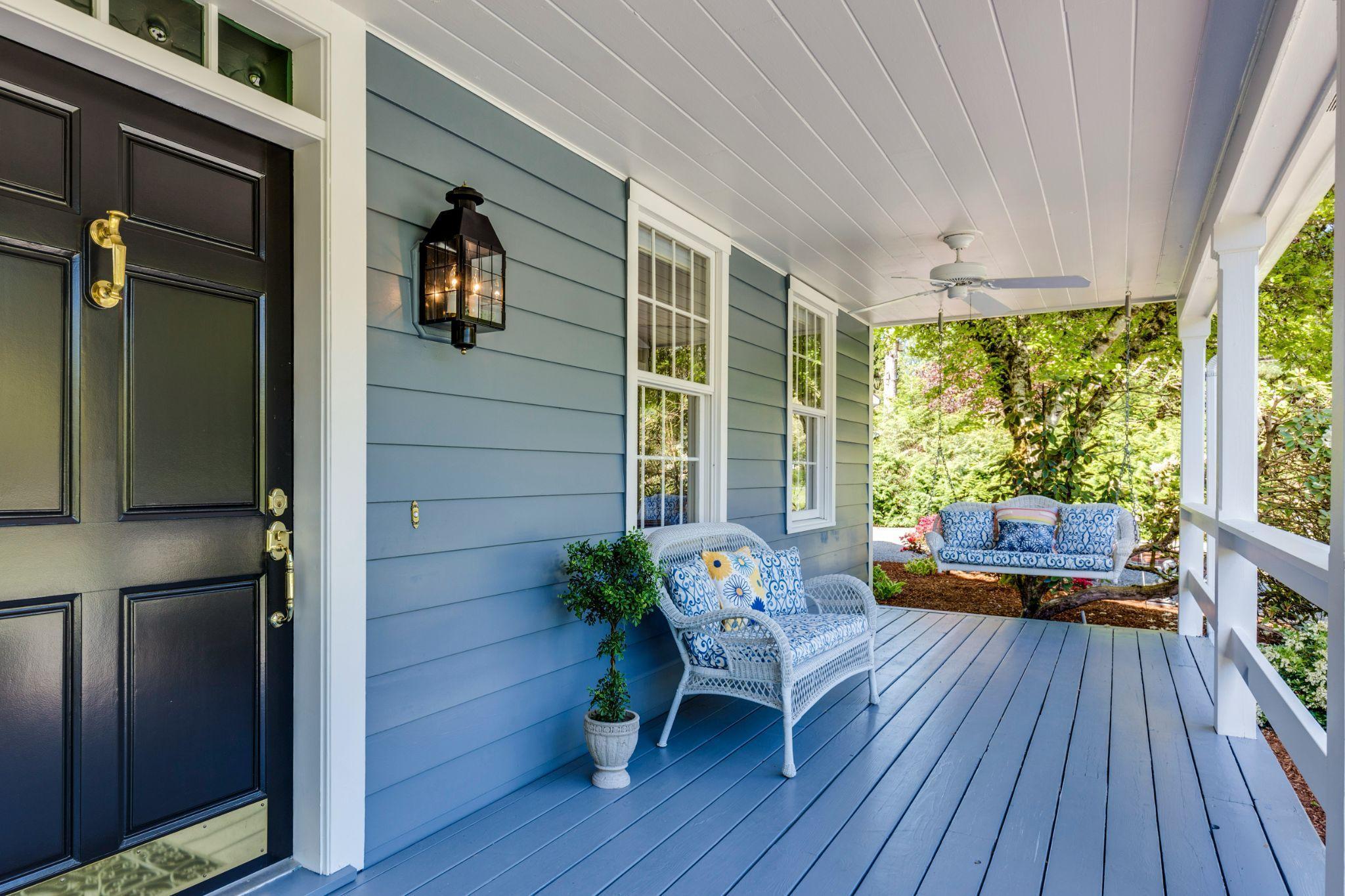
The porch is definitely one of the most cherished spaces in a home. It can easily become a magical place where everyday moments can feel just a little more special. It is also a smart investment: industry research consistently shows that well-designed exterior areas can enhance both lifestyle and property value. Whether you’re planning a welcoming front porch or a private retreat at the back of your home, thoughtful design decisions can make all the difference.
Start with Function Before Style
One of the most common mistakes homeowners make is focusing on aesthetics before considering how the space will actually be used. A dream porch should reflect your lifestyle. For some, that means creating a quiet reading nook with comfortable seating and layered lighting. For others, it may involve designing a social hub for entertaining family and friends.
Before selecting furniture, colors, or materials, consider how many people will typically use the space, how often you’ll spend time there, and whether the porch needs to accommodate dining, relaxation, or multiple activities.
Consider Climate and Orientation
The success of any porch design depends heavily on its environment. A south-facing porch may receive intense sunlight throughout the day, while a north-facing space often remains cooler and more shaded. Understanding how the sun moves across your property will influence everything from furniture placement to material selection.
Weather conditions should also play a significant role. Durable, weather-resistant materials can extend the life of your investment while reducing maintenance requirements. Fabrics designed for outdoor use, moisture-resistant flooring, and corrosion-resistant hardware all contribute to a porch that remains attractive season after season.
Create a Cohesive Connection to the Home
A porch should feel like a natural extension of the house rather than a separate design project. Repeating architectural details, color palettes, and materials helps establish visual continuity.
If your home features traditional architecture, classic railings, natural wood finishes, and timeless furniture silhouettes may be the most appropriate choice. Contemporary homes often benefit from cleaner lines, streamlined furnishings, and a more restrained color palette. The goal is to create a seamless flow between indoor and outdoor spaces.
Invest in Comfortable Seating
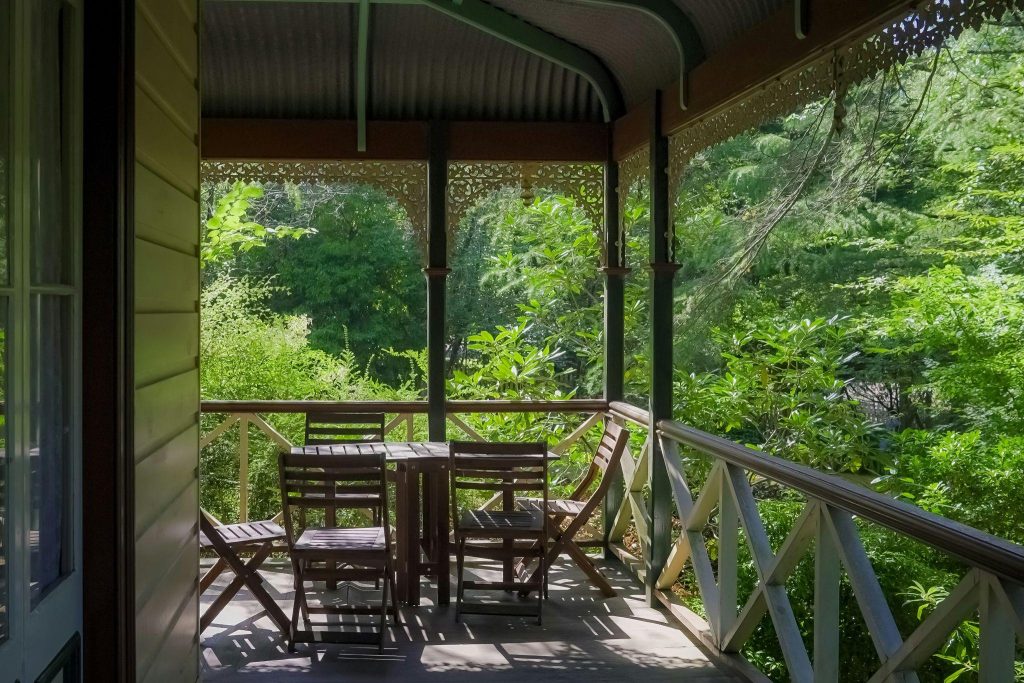
Comfortable seating is one of the most important aspects of successful porch design. Look for furniture with generous proportions, supportive cushions, and materials designed to withstand outdoor conditions. Layering seating options can also improve functionality. A combination of lounge chairs, benches, and small side tables creates flexibility while encouraging people to linger longer.
Pay Attention to Flooring
Visually, flooring brings together an entire design. While traditional wood remains a popular choice, homeowners today have access to a wide variety of materials that offer enhanced durability and easier maintenance.
Natural stone, composite decking, brick, and decorative tile can all bring unique character to a space. For homeowners seeking a distinctive artistic touch, handcrafted mosaics can transform flooring or accent walls into striking focal points. These custom elements add personality while reinforcing the overall design story of the space.
Layer Lighting Thoughtfully
A well-designed porch incorporates multiple light sources. Overhead fixtures provide general illumination, while wall sconces, lanterns, and accent lighting add warmth and dimension. Soft, layered lighting creates an inviting ambiance and improves safety without feeling overly bright.
Smart lighting systems have also become increasingly popular, allowing homeowners to adjust brightness levels and schedules with ease.
Bring Nature Into the Design
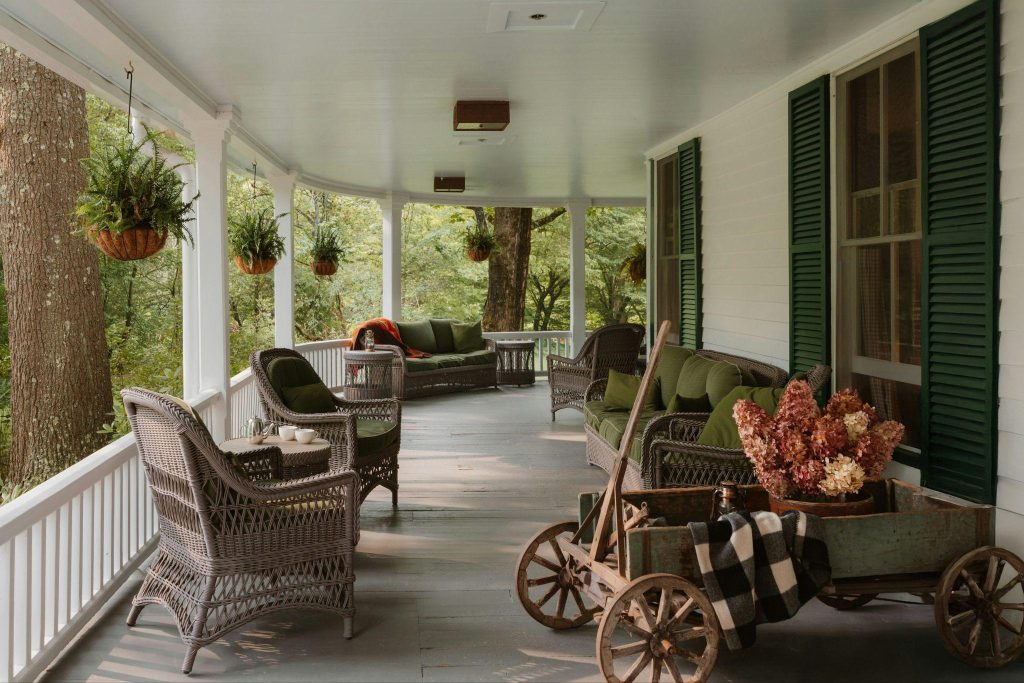
Plants have the ability to soften architectural elements and make outdoor spaces feel more welcoming. Thoughtfully selected greenery can add color, texture, privacy, and seasonal interest.
Consider combining larger statement plants with smaller container gardens to create visual depth. Native species often perform best because they are naturally adapted to local growing conditions and typically require less maintenance than exotic alternatives.
Decorative elements such as mosaics incorporated into planters, tabletops, or garden accents can further enhance the connection between architecture and landscape.
Think About Long-Term Value
A dream porch should not only meet current needs but also remain functional and attractive for years to come. Design trends may come and go, but quality materials, thoughtful layouts, and timeless styling tend to deliver lasting satisfaction.
Real estate professionals frequently note that curb appeal remains a major factor in buyer perception, and a well-designed porch contributes significantly to a home’s overall presentation. Even if selling is not part of your immediate plans, investing in durable materials and classic design choices often pays dividends in both enjoyment and property value.