Dr. Audrey Arona is an experienced obstetrician-gynecologist and public health executive whose career has combined clinical practice with health administration. She led a private OBGYN practice in Lawrenceville, Georgia, from 1999 to 2019 before taking on leadership roles at GNR Public Health, the agency serving residents of Gwinnett, Newton, and Rockdale counties in Georgia. Since joining GNR Public Health in September 2012, Dr. Audrey Arona has held several positions there, most recently serving as CEO and chief medical officer. Her combined background in obstetrics, gynecology, and public health gives her a broad perspective on what respectful, effective communication looks like during women’s healthcare visits—and why bedside manner is inseparable from the quality of clinical care.
Bedside manner means the way a doctor listens, explains, responds, and helps a patient feel respected during care. During a women’s health visit, that communication matters because the patient may discuss private symptoms, reproductive concerns, pregnancy questions, menopause changes, infections, or pelvic discomfort. Good bedside manner reduces uncertainty while treating the patient as a person, not just as a set of symptoms.
Women’s health visits often include topics that feel personal. An OB/Gyn, or obstetrician-gynecologist, is a doctor who specializes in pregnancy care and women’s reproductive health. This doctor may ask about bleeding changes, sexual health, pain, screenings, medications, pregnancy history, or family health risks.
The first conversation sets the appointment’s direction. The doctor should ask what brought the patient in, listen without rushing, and clarify the main concern before moving into an exam or recommendation. When the doctor understands that concern early, later explanations can stay connected to the reason for the visit.
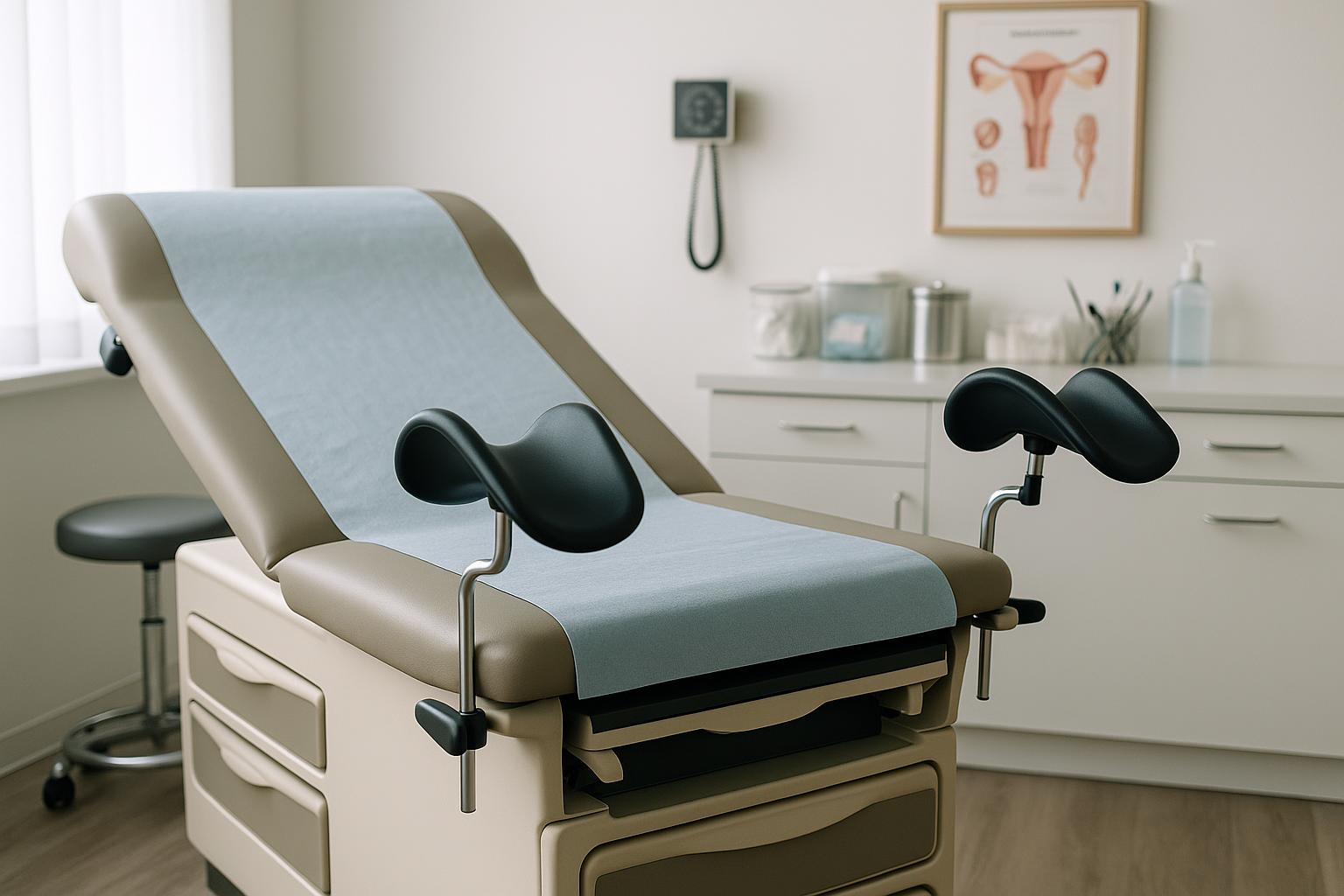
Clear explanation also matters before any exam, test, or screening. During a pelvic exam, for example, the doctor checks reproductive organs or investigates certain symptoms. The doctor should explain what the exam checks, what the patient may feel, and why the exam aligns with the reason for the visit.
Respectful care also includes attention to privacy and personal boundaries during the visit. The doctor or clinical staff can support comfort by explaining who is present, limiting interruptions, and giving the patient time to ask questions before continuing. The patient may also ask the doctor to explain what will happen before each exam step. These actions make respect visible instead of leaving it as a general promise.
Some concerns feel hard to say out loud. A patient may hesitate before mentioning bladder leakage, vaginal discharge, pelvic pain, fertility worries, pain during sex, or menopause symptoms. The doctor’s role is to respond without dismissal, ask relevant follow-up questions, and explain what the concern may require next.
Good bedside manner also affects treatment planning. The doctor should explain available options in plain language and help the patient compare the purpose, burdens, risks, expected benefits, and follow-up needs of each reasonable next step. This does not mean the patient must learn every medical detail, but the doctor should provide enough relevant information for the patient to understand the recommendation.
The visit does not end when the exam room conversation ends. Follow-up instructions should specify when results may arrive, when to call, what to do if results do not arrive as expected, and who should take the next action. That information gives the patient a practical way to continue care after leaving the appointment.
Office staff also affect how smoothly care continues after the visit. Nurses, schedulers, and office staff coordinate referrals, appointments, forms, messages, privacy procedures, and patient communication. Clear phone and message systems also matter when patients need help after the appointment. This work helps patients schedule, respond, and complete the plan outside the exam room.
A patient does not need medical training to notice whether a women’s health visit supports a workable care relationship. Good bedside manner shows up when the doctor and office make it easier to raise sensitive concerns, explain decisions before asking the patient to act, and keep the path back to the office easy to follow. When those basics repeatedly fail, the patient has a concrete reason to ask for clarification, contact the office about the concern, or request more specific written next steps.
About Dr. Audrey Arona
Dr. Audrey Arona is an obstetrician-gynecologist and public health executive who led a private OBGYN practice in Lawrenceville, Georgia, from 1999 to 2019. She joined GNR Public Health in September 2012, the agency serving Gwinnett, Newton, and Rockdale counties in Georgia, and has held several leadership roles there, most recently serving as CEO and chief medical officer. Her career combines clinical expertise in obstetrics and gynecology with broad experience in public health administration.