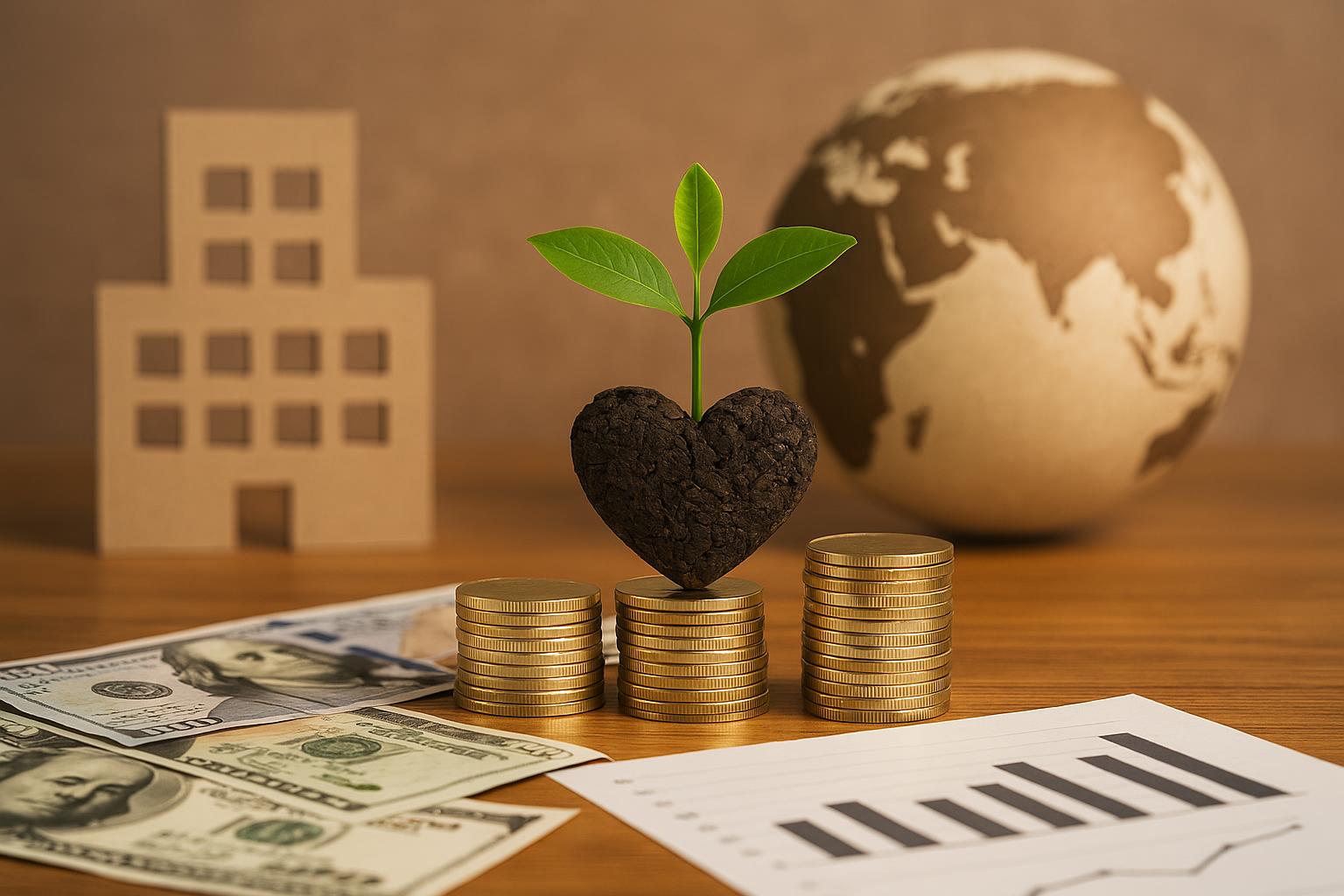
Christian Comair is the indirect owner of GET Group and a committed philanthropist who funded Covid vaccines for communities across Ehmej, Akoura, and Tannourine in Lebanon during the pandemic. This article will look at corporate philanthropy, providing an overview of the benefits of companies embracing corporate social responsibility (CSR) and encouraging employees to follow their example.
Firms that create and execute robust CSR policies contribute to both a cleaner environment and a better society, according to the European Commission. Encouragingly, research from KPMG reveals that 96% of the world’s 250 largest firms engaged in CSR initiatives in 2020.
One way for businesses to give back to the communities they operate in – as well as to society as a whole – is by integrating sustainable practices into their business operations. Another way businesses can generate impact is through corporate philanthropy, i.e., making gifts – be that in the form of cash or other resources – to charitable organizations or initiatives. Firms that actively promote CSR activities not only enhance employee engagement but also elevate their brand in a world where consumers are becoming increasingly environmentally and socially conscious.
As Kristian Comair can attest, several key trends are transforming corporate giving, creating an opening for the emergence of a new corporate philanthropy model. Major global shifts such as climate disasters and a global race reckoning have led to employee, stakeholder, and consumer activism that is pushing big businesses to do more for society.
Corporate philanthropy is currently caught between two paradigms. It is expected to deliver fast, measurable returns on investment, with an impetus to succeed by the standards of traditional philanthropic foundations, albeit without the singular focus on charity and deep financial pockets. Simultaneously, corporate philanthropy is also expected to do more than ever before in a world where injustices and disparities have become impossible to ignore.
John Brothers serves as president of the T. Rowe Price Foundation. As he asserts, companies must “tear away the sediment of old ways of creating social good,” finding new ways forward in terms of finding the “edges” of critical frontiers in philanthropic practice that align with broader shifts in society. Exploring these aspects helps businesses large and small to discover more effective and equitable approaches to corporate giving, such as:
- Creating funding mechanisms to allocate and disburse funds in new ways
- Balancing power dynamics in the ways they approach their work
- Partnering with others within and beyond the private sector to expand impact
- Rethinking the role of corporate philanthropy beyond mere grantmaking to broaden the ways they add value
One of the world’s most famous and generous philanthropists is Warren Buffet, a man globally renowned for his investment prowess. Over the years, his philanthropic endeavors have breached the $60 billion mark, including a $6 billion donation of Berkshire Hathaway shares to be divided among five charitable foundations. In his last round of donations, Buffett further crystalized his 2006 commitment to give away more than 99% of his personal wealth. Buffet has encouraged other billionaires to follow suit, giving away the lion’s share of their wealth through The Giving Pledge, which he launched with Bill Gates and Melinda French Gates in 2010.
In today’s business world, consumers expect companies to do more than merely maximizing profits, instead making meaningful contributions to society. Corporate philanthropy has gone from a nice-to-have to an imperative, and a key component of responsible business practice for organizations of all sizes. More than just a generous gesture, corporate giving is integral to reputation building, enhancing employee engagement, and ensuring long-term business sustainability. By investing in communities, businesses can achieve a positive societal impact, elevating their status by helping to address the most pressing issues faced globally today, from climate change to inequality and education gaps.