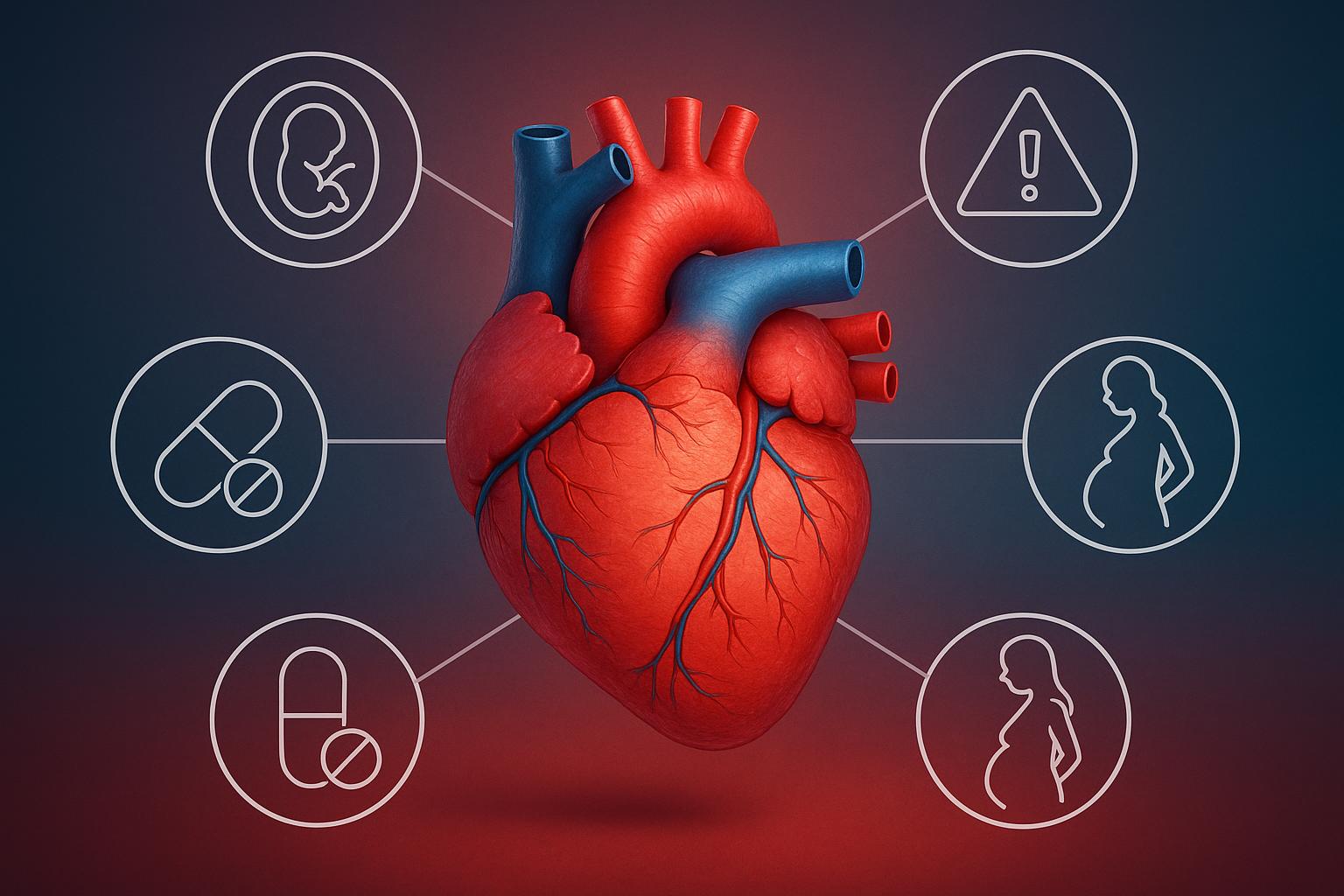
Donato Marinelli is a real estate investor and philanthropist based in Franklin Lakes, New Jersey, who supports a range of organizations focused on cancer research and cardiovascular health, including the American Cancer Society, the American Childhood Cancer Organization, the American Heart Association, and the World Heart Federation. His philanthropic interests connect closely to public health topics such as congenital heart conditions, which affect nearly one in every 100 babies born worldwide. Beyond his charitable giving, Mr. Marinelli turns underutilized properties into functional community spaces and invests his time in encouraging younger generations to pursue their goals through hard work. In his free time, he enjoys skiing and hiking. His continued support for organizations advancing cardiovascular research underscores the importance of understanding the genetic, maternal, and environmental factors that contribute to congenital heart defects, detailed below.
Key Risk Factors for Congenital Heart Conditions
Congenital heart conditions, or congenital heart defects (CHDs), are structural abnormalities that affect the heart or major blood vessels that develop before a child is born. They are among some of the most common birth defects globally, with almost one in every 100 babies being born with such a defect. While some defects are minor and do not need any form of treatment, some are acute and may require one or more surgeries and lifelong medical care.
Although there have been advances in understanding the causes of these conditions, the exact causes are still largely unknown. The medical community has, however, agreed that most congenital heart conditions result from a combination of environmental, maternal, and genetic factors that transpire during the first few weeks of pregnancy.
Understanding the risk factors of CHDs can help healthcare providers to identify high-risk pregnancies, improve early diagnosis and treatment, and encourage preventive measures in some instances. While not every CHD can be prevented, understanding the risk or contributing factors makes it easier for families and healthcare professionals to optimize choices made during pregnancy.
Genetic factors and family history are some of the most common risk factors of CHDs. Many heart defects are a function of inherited genetic mutations or changes in genes that affect the formation of the fetal heart. The chances of a fetus having a CHD are high if one of its parents has a CHD. Also, families with relatives living with CHD have a higher risk of inherited genetic variations that may increase the risk of CHDs.
Advances in genetic testing and prenatal screening now allow physicians to identify some inherited risks before or during pregnancy, giving families valuable information for planning and medical care. Couples with a family history of congenital heart disease or genetic disorders are often encouraged to seek medical counsel to better understand potential risks and available screening options.
Maternal health also plays an important role in fetal heart development, particularly during the early weeks of pregnancy. Poorly controlled diabetes before conception or during the first trimester can interfere with the normal formation of the baby’s heart and increase the risk of congenital heart defects. Women with preexisting Type 1 or Type 2 diabetes face a greater risk of giving birth to a child with a heart defect.
(Gestational diabetes, which develops during pregnancy, generally does not increase risk.) Careful blood sugar management before pregnancy and throughout the early stages of pregnancy can significantly reduce these risks. Healthcare providers often recommend preconception planning, regular monitoring, and personalized care to support a healthy pregnancy.
Maternal obesity may increase the likelihood of congenital heart conditions. Excess body weight before pregnancy can contribute to insulin resistance, chronic inflammation, and metabolic changes that affect fetal development. Obesity also raises the risk of other health conditions, including diabetes and high blood pressure, which may further influence the baby’s heart development. Maintaining a healthy weight through balanced nutrition, regular physical activity, and routine medical care before conception can help lower pregnancy-related risks while supporting the health of both mother and baby.
Lastly, certain infections during pregnancy can also affect the developing heart. Rubella, or German measles, remains one of the best-known infections linked to congenital heart defects when contracted during the first trimester. Other infections, including cytomegalovirus, toxoplasmosis, influenza, and illnesses accompanied by high fever, may also increase the risk by disrupting normal fetal development. In addition, exposure to certain medications, alcohol, tobacco, and illegal drugs during pregnancy has been associated with a higher risk of heart abnormalities.
About Donato Marinelli
Donato Marinelli is a real estate investor and philanthropist based in Franklin Lakes, New Jersey, who supports organizations focused on cancer research and cardiovascular health, including the American Cancer Society, the American Childhood Cancer Organization, and the American Heart Association. He invests in real estate to revitalize underutilized properties into community-focused spaces and encourages young people to pursue their goals through hard work. Outside his professional and philanthropic activities, he enjoys skiing and hiking.