Key Takeaways
- A professional SPECT scan evaluates blood flow and brain activity, revealing patterns that traditional imaging may not detect.
- Brain imaging helps identify conditions such as ADHD, anxiety, depression, and other cognitive concerns, allowing for more personalized treatment plans.
- Improved blood flow is closely connected to better memory, focus, emotional regulation, and overall brain performance.
- A professional SPECT scan supports preventative brain care by identifying potential risks before noticeable symptoms develop.
- Ongoing SPECT imaging helps healthcare providers monitor progress and adjust treatments based on changes in brain function over time.
- Personalized care based on SPECT imaging can improve treatment outcomes by targeting the specific areas of the brain that need support.
- Real-life success stories demonstrate that data-driven treatment guided by SPECT imaging can lead to meaningful improvements in mental wellness.
Opening Up the Secrets: How SPECT Scans Uncover Brain Activity
Decoding Brain Function: What SPECT Reveals
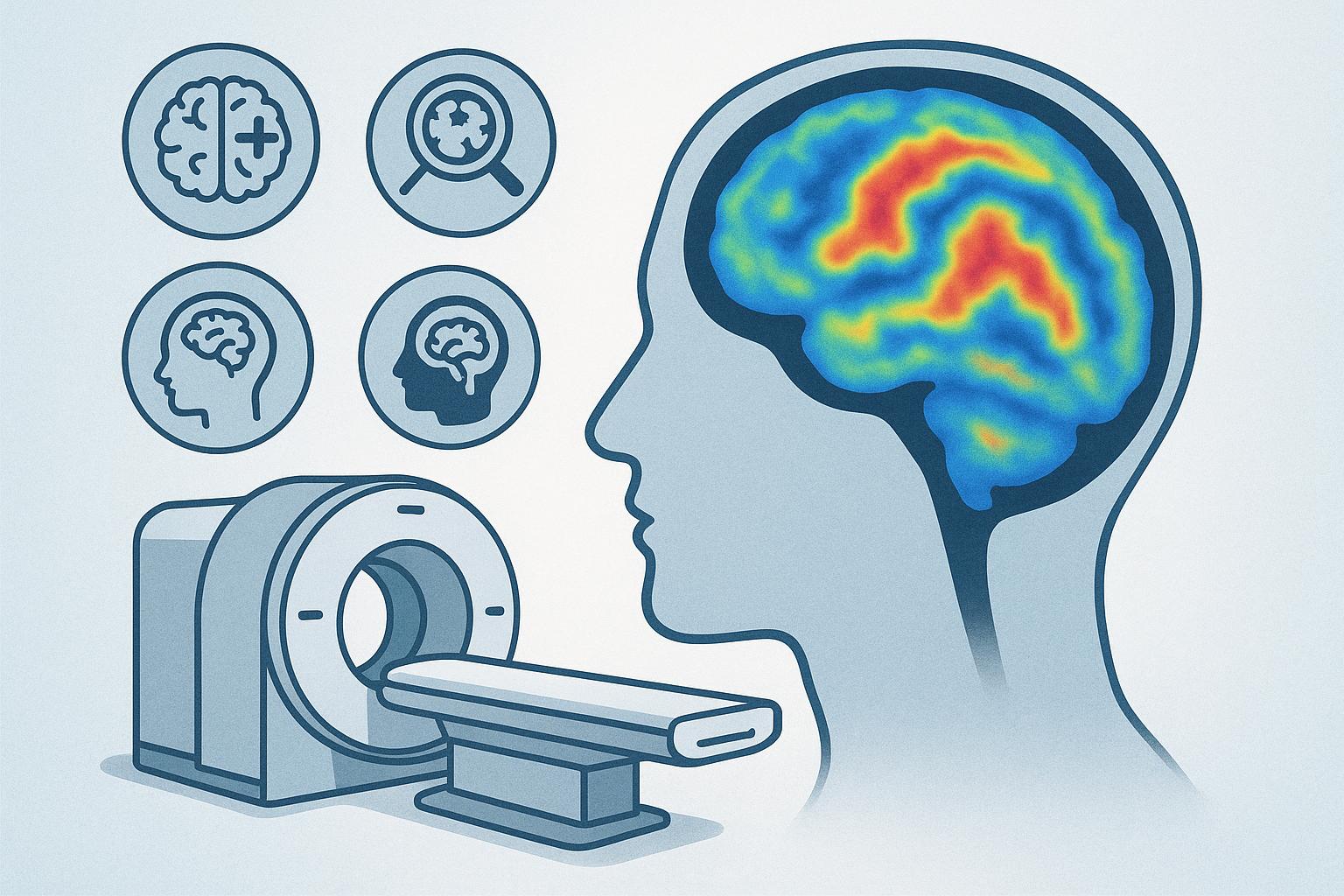
Understanding brain function can feel like solving a complicated puzzle. A professional SPECT scan provides valuable insight by measuring blood flow and activity throughout different regions of the brain. Unlike traditional imaging that primarily focuses on brain structure, SPECT imaging highlights how the brain is actually functioning.
This technology helps clinicians identify areas with unusually high or low activity, making it easier to diagnose conditions such as ADHD, depression, anxiety, and other neurological concerns. Instead of relying only on symptoms or questionnaires, healthcare professionals can use objective imaging data to develop more accurate treatment strategies.
The Role of Blood Flow in Cognitive Performance
Healthy brain function depends heavily on proper blood circulation. SPECT scans measure cerebral blood flow, providing a clearer picture of how efficiently different parts of the brain are working.
Research consistently shows that healthy blood flow supports stronger memory, better concentration, improved emotional regulation, and faster cognitive processing. When reduced blood flow is identified early, clinicians can recommend targeted therapies designed to improve brain function before symptoms worsen.
This personalized approach makes a professional SPECT scan an important tool for individuals looking to better understand their cognitive health and mental wellness.
Enhancing Mental Wellness Through Personalized Treatment
Targeted Care Based on Brain Imaging
Mental health treatment is rarely one-size-fits-all. Every brain functions differently, which is why imaging-based care continues to gain attention among healthcare providers.
After reviewing results from a professional SPECT scan, clinicians can customize treatment plans according to each person’s unique brain activity patterns. If certain regions responsible for attention, decision-making, or emotional regulation show reduced activity, therapies can be specifically designed to support those areas.
This individualized approach often combines medication, psychotherapy, lifestyle changes, and cognitive training to maximize treatment effectiveness.
Integrating SPECT Findings Into a Complete Wellness Plan
Brain imaging becomes even more valuable when combined with a comprehensive wellness strategy.
Healthcare professionals may use SPECT findings to recommend:
- Adjustments to cognitive behavioral therapy
- Nutritional improvements that support brain health
- Exercise programs that encourage healthy blood flow
- Stress reduction techniques and mindfulness practices
Rather than simply treating symptoms, these strategies address the underlying patterns revealed through imaging, helping patients become more involved in their recovery.
Beyond Diagnosis: Preventative Brain Health
Identifying Risks Before Symptoms Appear
Preventative healthcare continues to evolve, and brain imaging plays an increasingly important role.
A professional SPECT scan can sometimes detect abnormal blood flow patterns before noticeable cognitive symptoms develop. This early insight allows clinicians to recommend preventive interventions that may reduce the risk of future neurological decline.
Instead of waiting until problems become severe, patients have an opportunity to take proactive steps toward maintaining long-term brain health.
Long-Term Monitoring for Better Outcomes
Brain health changes over time, making ongoing monitoring extremely valuable.
Regular SPECT imaging allows clinicians to:
- Monitor improvements in brain activity
- Detect new changes early
- Adjust medications or therapies when necessary
- Track long-term treatment effectiveness
This continuous evaluation gives both patients and healthcare providers greater confidence that treatment plans remain aligned with changing needs.
Real-Life Success Stories: The Impact of SPECT Imaging
Personalized Treatment That Makes a Difference
Many patients have experienced significant improvements after incorporating brain imaging into their care plans.
One example involves a patient struggling with anxiety and depression who underwent a professional SPECT scan after traditional treatments produced limited results. Imaging revealed reduced activity in the prefrontal cortex, helping clinicians develop a more targeted treatment strategy.
With therapies tailored to those findings, the patient experienced noticeable improvements in mood, stress management, and daily functioning.
Empowering Patients Through Better Understanding
Many individuals report that seeing their brain imaging results provides reassurance and clarity.
Understanding that symptoms are connected to measurable brain activity often reduces self-blame while increasing motivation to participate in treatment. Patients frequently describe feeling more hopeful because they finally have objective information guiding their recovery.
As one patient explained:
“Seeing the scan helped me understand what was happening inside my brain. It gave me confidence that there was a clear direction for treatment.”
These experiences demonstrate how brain imaging can become an important part of improving both clinical decision-making and patient engagement.
FAQ
How does a SPECT scan differ from an MRI or CT scan?
MRI and CT scans primarily examine the brain’s physical structure. A professional SPECT scan focuses on brain function by measuring blood flow and activity, providing valuable information about how different regions are working.
What conditions can SPECT scans help evaluate?
Besides ADHD, anxiety, and depression, SPECT imaging may assist in evaluating epilepsy, traumatic brain injuries, Alzheimer’s disease, dementia, stroke recovery, and other neurological disorders.
Can SPECT scans be used after diagnosis?
Yes. Healthcare providers frequently use SPECT imaging to monitor treatment progress, evaluate changes in brain activity, and make adjustments to care plans over time.
Who benefits most from SPECT imaging?
People of all ages may benefit. Children with developmental concerns, adults experiencing mental health challenges, and older individuals at risk of cognitive decline can all gain valuable information from SPECT imaging.
What happens during a SPECT scan?
Patients receive a small radioactive tracer before the scan begins. They then remain still while specialized cameras capture images of blood flow throughout the brain. The procedure is generally comfortable and non-invasive.
Are there any risks involved?
SPECT scans involve a very small amount of radiation, but the exposure is generally considered low. Healthcare providers carefully determine whether the benefits outweigh any potential risks before recommending the procedure.
How often should someone have a SPECT scan?
The frequency depends on an individual’s health condition and treatment goals. Some patients may only require one scan, while others benefit from periodic monitoring recommended by their healthcare provider.
Can lifestyle changes improve SPECT scan results?
Yes. Healthy habits such as regular exercise, balanced nutrition, quality sleep, stress management, and following treatment recommendations can positively influence brain function and overall cognitive health.